
Why even small amounts of alcohol can harm your health
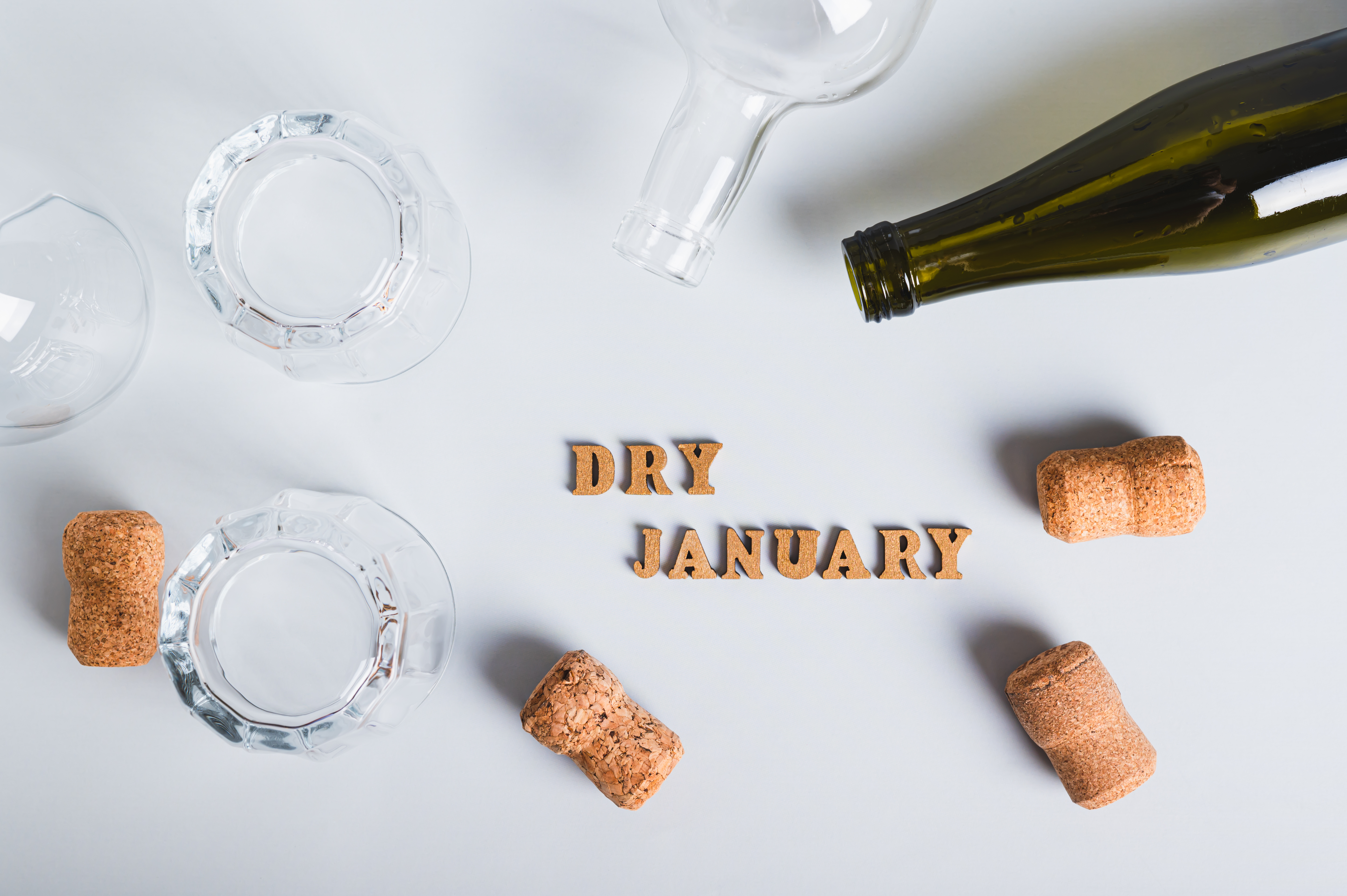
Champagne glasses clink, the red wine glass shimmers temptingly in the candlelight – alcohol is an integral part of our culture. It accompanies us at celebrations, relaxed evenings, and even during networking. Yet more and more people are questioning the role alcohol plays in their lives. Evidence of this is the growing trend of “Dry January,” where millions of people worldwide completely abstain from alcohol in January. What begins as a simple detox experiment often yields surprising results: better sleep quality, clearer skin, and an overall fitter feeling. But why is that? And what does science say about the effects of alcohol – even in small amounts?
The myth of the "healthy glass of wine"
For many, the thought is reassuring: a glass of red wine in the evening is even supposed to be good for the heart, right? In fact, such assumptions stem from older studies that often had methodological weaknesses. However, newer, more comprehensive research shows that the risks far outweigh the potential benefits – even with moderate consumption. The World Health Organization (WHO) published a clear message back in 2022: “There is no safe amount of alcohol.”
Even the smallest amounts of alcohol can lead to cell damage and increase the risk of at least seven types of cancer, including breast and colon cancer. A large-scale study published in the journal The Lancet concluded that the supposed benefits of alcohol are in no way proportionate to the health risks. Science makes it clear: even “one glass” is not harmless, but rather burdens the body.
Alcohol and the female risk
The health effects of alcohol are particularly alarming for women. The female body breaks down alcohol more slowly than the male body, as women on average have fewer enzymes available to break down alcohol and less body water in which the alcohol can be distributed. This means that the same amount of alcohol has a stronger effect on women and remains in the blood longer.
Particularly alarming is the connection between alcohol and breast cancer. Even one glass per day demonstrably increases the risk, which is due to the fact that alcohol affects hormone levels and can damage DNA in cells. Especially for women between 25 and 65 – a phase in which lifestyle and preventive healthcare are crucial – it is important to be aware of these risks.
How alcohol affects your body
Alcohol affects the entire organism – and the consequences are often more far-reaching than many believe:
- Liver: Even small amounts burden the liver, which must break down the alcohol. In the long term, this can lead to fatty liver and even cirrhosis.
- Brain: Alcohol impairs neuroplasticity, the brain's ability to form new connections. In the long term, this can lead to cognitive impairments.
- Heart: Alcohol can promote high blood pressure, increase the risk of cardiac arrhythmias, and weaken the heart muscle.
- Immune system: Just one night of heavy drinking is enough to weaken the immune system for several days, increasing susceptibility to infections.
Alcohol and mental health: A dangerous cycle
In addition to the physical effects, alcohol also has a significant impact on mental health. It is often used as a relaxation aid or “mood enhancer,” but it can increase the risk of depression and anxiety disorders. The reason: alcohol disrupts the delicate balance of neurotransmitters in the brain. Particularly insidious is the cycle that can result: alcohol initially has a calming effect, but in the long term leads to a deterioration in mood – which in turn can tempt further consumption.
Dry January: A fresh start for body and mind
“Dry January” is more than just a trend. It offers the perfect opportunity to reconsider your relationship with alcohol. Studies show that one month without alcohol already brings significant health benefits: the liver begins to regenerate, sleep improves, and energy levels rise. Many also report increased self-confidence and a clearer mind.
But abstinence doesn’t only have physical benefits. It invites you to examine your own drinking habits: Why do I actually reach for that glass of wine? Am I really more relaxed without it? Many discover that they don’t miss alcohol at all – and some even decide to live alcohol-free long-term.
Conclusion: Why less is more
The latest scientific findings leave no doubt: alcohol is not a harmless indulgence, but a substance that harms our health even in small amounts. “Dry January” is a great opportunity to reflect on your own consumption and give your body a break. Perhaps this January is the beginning of a more conscious approach to alcohol – or even the start of a healthier, alcohol-free life.
Because one thing is certain: health, joy of life, and well-being taste better than any drink.