

Hyaluronic acid injections can restore lost facial volume. Using sterile hyaluronic acid products, known as fillers, wrinkles are plumped up from within. The face regains its youthful appearance, and the contours look fresh and vibrant again. At the same time, filler treatment also helps increase the skin’s moisture content, contributing to a general rejuvenation and improvement in skin quality.
Important Facts
-
Treatment duration: 15-30 minutes
- Anesthesia: none (the hyaluronic acid used already contains a local anesthetic)
- Aftercare: local cooling may be used; avoid local heat applications such as tanning beds or saunas for about 1 week
- Result: Immediate
- Pain level: Low, only tiny punctures with very fine cannulas
- Social activities: Immediately; however, depending on the treated area, small bruises may form, but these will subside quickly.
- Price: €390
What is Hyaluronic Acid
Hyaluronic acid is a substance found almost everywhere in the body, whose function is to bind water in the tissues. As a natural component of the skin, it promotes youthfulness and freshness, as well as hydration, elasticity, and vitality.
A single gram of hyaluronic acid can hold up to six liters of water. No wonder, then, that the more of this substance our skin contains, the plumper it looks.
The younger the skin, the more hyaluronic acid the connective tissue cells produce. However, as we age, the skin’s own production of hyaluronic acid gradually decreases. This process begins as early as age 25 and accelerates over the years. That is why children’s skin looks so much plumper and fresher than the skin of older people
With age, not only hyaluronic acid but also subcutaneous fat tissue decreases in the face, leading to volume loss, for example, a deepening of the nasolabial folds or sagging mouth corners. The face changes its shape and “slides” downwards. Additionally, skin quality also declines. Fine superficial lines and wrinkles appear, which deepen over time, for instance, vertically around the mouth area or on the cheek area.
These are all natural processes of skin aging, which are harmless in themselves, but many people desire an anti-aging effect.
Hyaluronic Acid Fillers
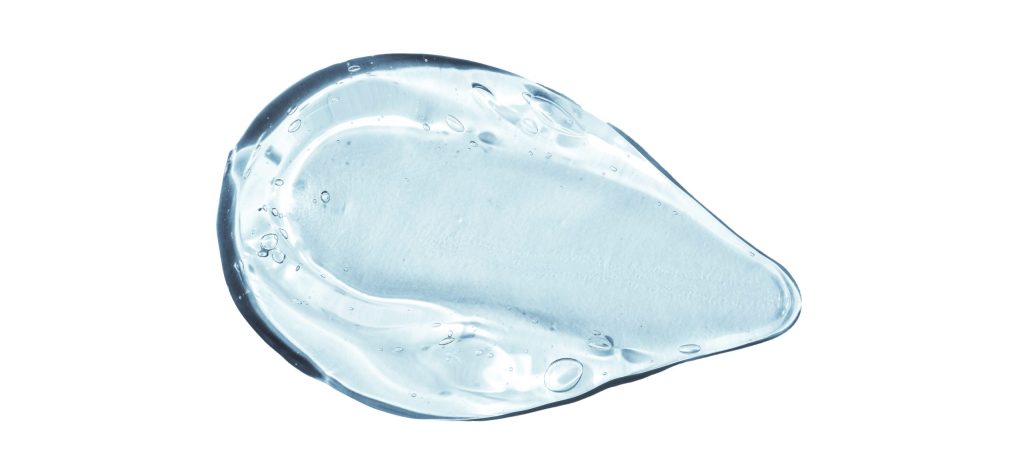
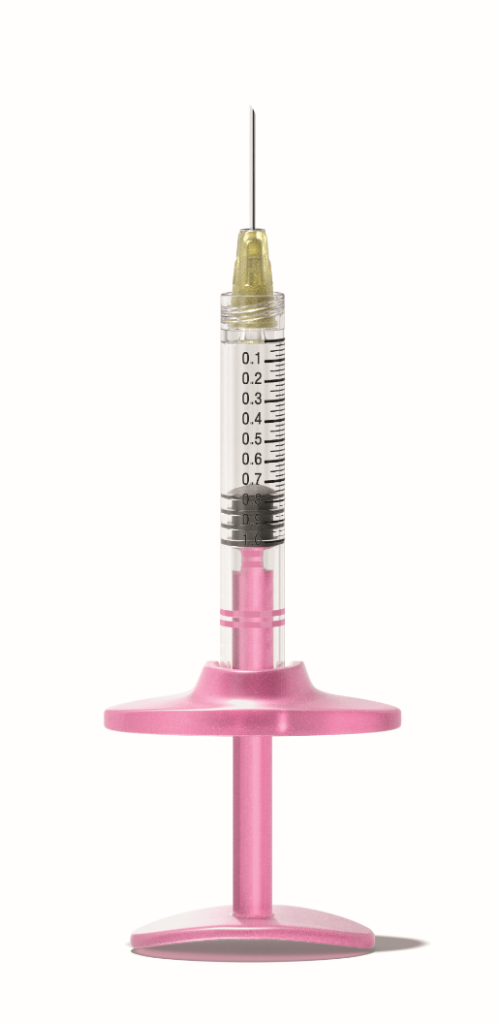
During a filler injection, sterile hyaluronic acid is introduced into the skin, rebuilding the volume lost over the years, or plumping up wrinkles from within with hyaluronic filler. The aging process can thus be reversed to a certain extent.
The beauty of this method is that even a single treatment with a small amount of hyaluronic acid leads to a noticeable facial rejuvenation of individual skin areas, and the treatment results can indeed be impressive.
When Does the Treatment Success Occur and How Long Does the Result Last
The result is immediately visible. The skin regains elasticity and becomes smoother and more youthful. Facial contours are significantly tightened, and wrinkles are plumped from within. As a natural component of the body, hyaluronic acid integrates well into the tissue. Depending on the treated region and the type of filler used, the substance is largely reabsorbed by the body after months to years.
Depending on the patient’s wishes, facial region, and depth of existing wrinkles, different products from various manufacturers are used to achieve an optimal and natural-looking result.
The injected hyaluronic acid is gradually broken down by the body over time. The treatment can be repeated if desired.
For Which Regions is Wrinkle Treatment with Hyaluronic Acid Particularly Suitable?
The most common treatments in my practice are:
- Nasolabial folds (fold between the nostril and corner of the mouth)
- Vertical wrinkles around the mouth area (smoker's lines, pleated wrinkles)
- Modeling of facial contours
- Lip Augmentation
- Fine wrinkles in the cheek area
- Tear trough
- Volume loss in the midface
- Drooping Corners of the Mouth (Marionette Lines)
Special Considerations for Treating Various Regions with Hyaluronic Acid
Treatment of Nasolabial Folds
Hyaluronic acid filler treatment of the nasolabial folds, which are the lines running from the sides of the nose down to the corners of the mouth, is one of the most frequently requested treatments in my practice. However, one must be careful here, as an over-filled nasolabial fold can look unnatural and negatively affect the beauty of the face. Sometimes it is better to emphasize the cheekbones and cheeks instead of directly treating the nasolabial fold. This achieves a much more natural look, and although the effect is immediately visible, it is not apparent that an injection was performed to combat wrinkles.
Lip Augmentation with Hyaluronic Acid

Another application area for hyaluronic acid fillers, besides wrinkle injections, is lip augmentation. With the help of appropriate products specifically optimized for this area, it is possible to emphasize the lip contour and add volume to the lips without creating the dreaded “duck lips” look. The goal is a harmoniously aesthetic mouth with beautifully curved lips and a balanced ratio between the upper and lower lip. Here, it is particularly important that lip augmentation is performed very carefully and not too much product is used, to absolutely avoid an unnatural result.
Treatment of Tear Troughs with Hyaluronic Acid
Dark shadows under the eyes, which give a tired appearance, can also be treated with fillers if needed. With the help of a small amount of hyaluronic acid, these facial areas can be gently filled. The effect is often astonishing, regardless of the patient’s age. But beware, this treatment (as well as any hyaluronic acid injection in general) should really only be performed by experienced experts who are proficient and frequently perform it. Not all patients are suitable for this. In particular, people who frequently suffer from swollen eyes should preferably not be treated, as the results here are not satisfactory. Also, too much volume should never be injected, as this can lead to unsightly under-eye bags. If the skin under the eyes is very loose and sagging, lower eyelid surgery, a so-called blepharoplasty, is the better alternative.
The skin quality of the thin skin under the eyes can also be improved with PRP treatments. Experienced doctors can advise you well and tell you which method is best for you.
Frequently Asked Questions About Fillers (FAQ)
Is the treatment with hyaluronic acid painful?
Due to the addition of an anesthetic in the ampoules, the treatment is minimally painful. Lip treatment is probably the most uncomfortable of all treatments, as there are many nerve endings here, which is why we apply a strong anesthetic cream beforehand in my practice. Additionally, for particularly pain-sensitive patients, we have some tricks to make the treatment less uncomfortable.
How much hyaluronic acid is injected during a treatment?
This question cannot be answered generally. It depends on your wishes and expectations, as well as the region and your individual anatomical conditions. My personal opinion is that less is often more. Only in very rare cases would I inject more than 1ml of hyaluronic acid into one region in a single session. It is better to build up the region gradually and reinject if necessary. This allows the tissue time to adapt well and avoids an unnatural appearance.
Can hyaluronic acid be dissolved if you don't like the result?
Hyaluronic acid can be dissolved again with the help of an enzyme called Hylase or Hyaluronidase. This is used when the result is not satisfactory, or in the case of unwanted side effects, such as small nodules. Nevertheless, the fact that hyaluronic acid can, in principle, be dissolved again should not lead one to undergo treatment thoughtlessly or with dubious providers.
On the one hand, dissolving a poorly placed filler also incurs costs, and on the other hand, I unfortunately often have to turn away patients in my practice who come to me wishing to dissolve unsightly filler results that were performed in other practices (sometimes abroad or by somewhat “questionable” providers) because the result is anything but what was expected. The problem is that only pure hyaluronic acid can actually be dissolved. If it is not clear what kind of filler was used, because the patient does not know and the previous practitioner is “untraceable,” unfortunately, dissolution with Hylase cannot be performed. Another reason to pay close attention to where you get treated.
What alternatives are there to wrinkle injections with hyaluronic acid?
On the one hand, fat grafting should be mentioned here, where fat is taken from another part of the body, often during liposuction. However, it should be noted that the results are not always precisely predictable, as only a portion of the autologous fat takes, and the rest is broken down. For this reason, more fat must be transplanted than is required, and the final result can only be assessed after some time.
Furthermore, there are also injections with materials such as calcium hydroxylapatite or poly-L-lactic acid, like the biostimulator Sculptra, which stimulate the body’s own collagen synthesis and thus contribute to skin tightening.
In addition, there are various types of permanent silicone-based fillers, which actually belong to the past, as their disadvantages clearly outweigh any benefits, and sometimes very unpleasant side effects can occur. I strongly advise against the use of such silicone materials for wrinkle treatments. Not only can they not be dissolved, but they sometimes also have a tendency to “migrate” and “slip.” Unfortunately, I still occasionally see patients who, due to poor advice, have to live with the consequences of such treatments. In these cases, surgical removal of the poorly placed material by an experienced plastic surgeon is usually the only option, and even then, scars remain.
How long does the result of a hyaluronic acid injection last?
The answer to these questions depends on several factors. Depending on the region injected and the type of hyaluronic acid product used, the result can last between 6 months and several years.
Newer MRI studies even indicate that fillers can remain in the body significantly longer.
In regions that are highly mobile, filler is broken down faster than in areas with little movement, such as the tear trough. Soft fillers placed superficially have a shorter duration than firmer materials injected deeper.
Which manufacturers of hyaluronic acid products are recommended?
Naturally, I exclusively use highest quality hyaluronic acid from reputable EU-approved manufacturers. Depending on the region, I believe different products are best suited, and for some regions, such as the tear trough, some companies have actually developed special hyaluronic acid products that possess precisely the properties best suited for that specific area. I strongly advise you to only have filler treatments performed by experienced doctors to ensure that only certified and safe materials are used.
What should be considered before a hyaluronic acid injection?
-
Patients should be healthy.
-
There should be no acute infections in the area to be treated, for example, herpes infections during lip augmentation.
-
In the 10 days prior to the planned treatment, no pain-relieving or fever-reducing medications such as Aspirin, Ibuprofen, or Diclofenac should have been taken. It is advisable to pause the intake of any dietary supplements and vitamins for a few days.
-
No antibiotics or cortisone intake 10 days before treatment.
-
You should avoid alcohol the day before and on the day of treatment.
-
A minimum of four weeks should pass between vaccinations and treatment.
-
If you are on therapy with strong blood-thinning medications, consultation with your treating internist and a strict risk assessment should be carried out before treatment with hyaluronic acid products.
-
Dental treatments should have been completed at least two weeks prior (exception: normal oral hygiene).
What should be considered after treatment with hyaluronic acid?
-
Makeup should not be applied to the treated area until the following day at the earliest.
-
For one week after the injection, avoid saunas, steam baths, solariums, and intense sunbathing.
-
No cosmetic treatments such as lymphatic drainage, dermabrasion, or permanent makeup in the treated area for two weeks.
-
Cooling is allowed.
-
No vaccinations for the next four weeks.
-
No alcohol on the day of treatment.
-
No dental treatments for the next two weeks.
-
No sports for 48 hours.
-
For lip injections, no kissing for 24 hours.
When can a treatment with hyaluronic acid not be performed?
In certain cases, hyaluronic acid injections cannot be performed. These include, for example:
-
Pregnancy
-
Breastfeeding
-
Patients under 18 years of age are not treated with hyaluronic acid without exception.
-
Certain autoimmune diseases such as rheumatic diseases or lupus (SLE).
-
Acute or chronic infections
-
Untreated dental infections
-
Acute cold sores
-
Ongoing antibiotic therapy
-
Existing therapy with blood-thinning medications
-
Known allergy to hyaluronic acid or local anesthetics
-
Chemotherapy within the last 12 months
-
Known wound healing disorders
More precise details concerning your individual situation should be discussed with your treating physician in a personal consultation.
What side effects can occur after treatment with hyaluronic acid?
Occasionally, small hematomas, slight swelling, and minor tenderness of the treated area may occur. However, these symptoms usually subside after one to two days.
In rare cases, hyaluronic acid can cause an allergic reaction.
Occasionally, especially if the practitioner is not sufficiently well-trained, vascular occlusions can occur. Therefore, it is important to discuss all possible side effects with your treating physician beforehand to ensure that hyaluronic acid treatment is suitable for you.
Is special aftercare required at home after wrinkle treatment with hyaluronic acid?
Some patients find it pleasant to cool the treated area at home. Your doctor can best advise you on your individual case. Makeup should not be applied to the treated area until the following day.
After a lip injection, you should avoid kissing for 24 hours.
Am I socially presentable after a wrinkle injection with hyaluronic acid?
Since slight swelling or small bruises can occur after any injection, and especially after lip injections with hyaluronic acid, these can even persist for several days, I recommend not scheduling the injection immediately before important social events. However, you can easily resume your normal daily activities immediately after the treatment.
Is hyaluronic acid allowed during pregnancy?
The answer to this question is a clear NO, and the same applies to breastfeeding. Hyaluronic acid products are not approved for pregnant and breastfeeding women and should therefore not be injected. Dissolving hyaluronic acid with Hylase is also strictly prohibited during pregnancy.
How long does the treatment with hyaluronic acid take?
Depending on the region injected with hyaluronic acid, the treatment itself takes between 10 and 30 minutes. However, you should also allow time for the preceding consultation and informational discussion, as well as for photo documentation. In total, you should therefore expect to spend about 45 minutes to an hour during your visit.
Why are there different types of hyaluronic acid fillers?
Different hyaluronic acid products can vary in their physical properties, such as firmness or elasticity. Depending on the region being injected and the depth at which the material is placed in the skin, different product properties are required. For example, if I want to inject a highly mobile region like the lips, a filler material is important that does not lose its shape despite the many movements our lips make daily. If I want to treat very fine superficial wrinkles, I need a very soft filler that integrates very well into the tissue and is not visible even when placed very superficially. If, on the other hand, I want to emphasize the cheeks and cheekbones, a product with more firmness is required to effectively shape the tissue.
Thin, older skin or a very delicate face can only tolerate softer fillers so that the material remains invisible.
For special regions, such as the tear trough, it is particularly important to choose a product that does not retain water afterwards, to prevent unwanted swelling in the eye area.
A doctor with sufficient experience will select the optimal product depending on the region to be treated and the patient’s wishes and expectations.
Is a needle or a cannula used for wrinkle injections with hyaluronic acid?
This depends on the individual situation and is handled differently from case to case. A sharp needle allows for particularly precise injections, and even the smallest amounts can be injected very superficially. A soft cannula, on the other hand, is less traumatic and allows for the treatment of larger areas and particularly delicate regions such as the tear trough.
What is the difference compared to wrinkle treatment with Botulinum toxin?
For wrinkles that are primarily caused by increased facial expressions (e.g., frown lines or worry lines on the forehead), treatment with Botulinum toxin is a more suitable method than a hyaluronic filler. A hyaluronic acid injection would not yield optimal results.
Diese Behandlungsinformation wurde erstellt und medizinisch geprüft von Dr. Vjara Ilieva, Ärztin mit Schwerpunkt auf ästhetischer Medizin, Longevity- und orthomolekularer Medizin und Fachärztin für Radiologie.
Letztes medizinisches Update: Jänner 2026